 Raj
Raj 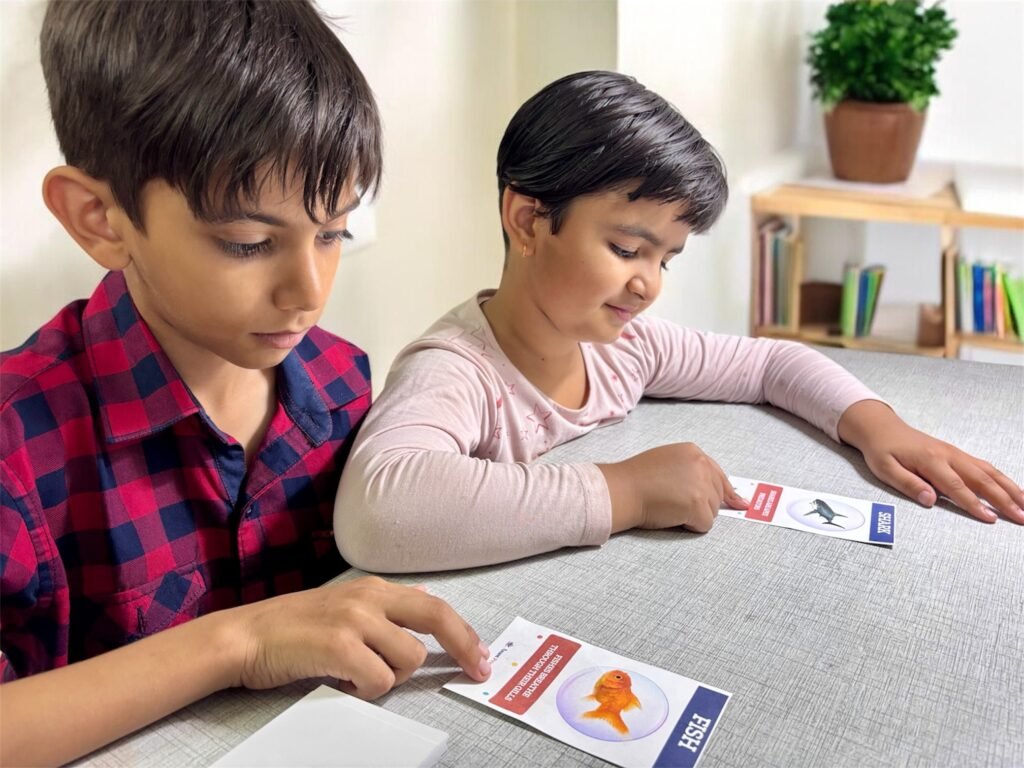
My son walked past the TV remote yesterday, picked it up, looked at it for a second like he was deciding something, and put it back down. Then he asked me to play “Peppa Pig” with his stuffed Pig soft-toy instead. I didn’t make him do that. He just…didn’t reach for the screen first.
That’s not a brag. It’s taken months of boring, repetitive effort to get there…and you know what – most days it still doesn’t work. But it has taught me something I didn’t expect: Building a Screen-free time for kids isn’t about building their willpower. It’s about whether there’s something more interesting sitting right next to your iPhone/iPad/TV remote.
If you’re raising a kid between two cultures — bedtime stories in Hindi, homework in English, a Diwali at home and a Halloween at school…you already know parenting here comes with an extra layer of “am I doing this right?” Screens just add one more thing to feel uncertain about. So let’s skip the guilt and talk about what actually works.
First, a quick reality check about screen time
You are not failing your child because they watched two hours of YouTube Kids on a rough day. Every parent I know — Indian, American, both, neither has had that day where the iPad is the only thing keeping the house from falling apart.
The goal here isn’t zero screens. Some form of screen time is inevitable – we sometimes ourselves indulge in doomscrolling in front of our kids. So the goal is to have a few reliable, no-fuss alternatives ready so screens aren’t the default answer every single time your child says “I’m bored.” That’s a completely different bar, and a much more realistic one.
Why this hits a little different for Indian-American families?
A lot of screen-time advice out there assumes a fairly homogenous household. Same language at home and at school, grandparents far away, holidays that match the school calendar. That’s often not our reality.
Many of us are also trying to pass on Hindi, Tamil, Gujarati, Punjabi or whatever language carries the family’s stories in homes where English dominates the moment a screen turns on. Every show, every app, every YouTube video defaults to English. It’s not anyone’s fault. It’s just the water we’re swimming in.
So screen-free time isn’t only about attention spans and blue light. For a lot of us, it’s also one of the few windows in the day where language, food, festivals, and family stories actually get passed down.
Activities that actually hold a 3–6 year old’s interest
I’m not going to give you a list of 30 things, because I know you’ll save it, never open it again, and feel vaguely guilty about it. Here are the ones that have actually worked, repeatedly, in our house and in the homes of other parents I’ve talked to.
1. Flashcard sorting games
Most people think flashcards mean drilling a kid until they memorize something. But…that’s not how a 3-to-6-year-old actually use them. In my view, flashcards are a way more flexible than they sound. For example – Give a preschooler a stack of animal cards and a bit of floor space, and they’ll invent their own game in about thirty seconds – such as sorting by “animals that live in water,” lining them up by size, making up a story where the elephant and the frog are best friends.
My 3 year old son, Anant loves to play with the Terrestrial animal flash card deck.
This is how it works: I pull out a random card from the deck and ask him to make a sound of the animal being shown. He then recognises the animal and makes a funny sound of that animal.
The reason this works as screen-free time and not just “another activity” is that it’s open-ended. There’s no level to beat, no autoplay pulling them to the next video. When the game gets boring, they change the rules themselves.
2. “Name it in both” – a two-minute language game with zero preperation
Pick any object in the room. Say its name in English, then ask your child if they know it in your home language. If they don’t, tell them, and move to the next object.
For example –
Chair – Kursi.
Spoon – Chammach.
This sounds almost too simple to count as an “activity,” but that’s exactly why it works – you can do it for ninety seconds while waiting for rice to cook, and your child doesn’t experience it as a lesson. It’s a game with you, which is the whole point.
3. Kitchen helper tasks
Washing lentils, tearing coriander leaves, stirring something that’s already off the heat, lining up roti on a plate – all these aren’t chores dressed up as activities. They’re genuinely engaging for a preschooler because the task is real and the outcome is visible.
Bonus: You get to narrate everything you’re doing, which is free vocabulary building in whatever language you’re speaking with your child.
4. Story time with a twist – You start it, They finish it
Start a story – any story, made up on the spot…and stop at a cliffhanger. For example – “The little mouse opened the door and saw….” Let your child finish the rest of the sentence. Indian folk tales work beautifully here because most of us only remember the rough shape of them anyway, which means there’s plenty of room for your child to fill in gaps with their own creative imagination.
5. Animal habitat sorting
Once a child has the hang of naming animals, the next layer is grouping them – which ones live on land, which live in water, which live in a rainforest.
This is where having a themed deck instead of one big mixed pile actually matters. It turns a flashcard session into a small science conversation: Why do you think a fish can’t live in the jungle?
I recently played this game with my son. I gave him a mix of all the animal flashcards and challenged him to find out 5 animals that swim in water. He enjoyed playing with it so much.
Please discover – Rainforest Animals Flashcard Deck and Aquatic Animals Flashcard Deck
6. The “five-minute mess”
Dry rice or dal in a tray, a few spoons and small cups, and let your child pour, scoop, and “cook.” It’s loud, it’s mildly chaotic, and it’ll hold attention longer than you’d expect. Haha. Lay a bedsheet down first and save yourself the cleanup stress.
What to do when they ask for the screen anyway
They will ask. Almost every day, probably right when you need ten quiet minutes the most. Two things should help here:
- Keep a “screen-free basket” within reach – A small box with flashcards, a few crayons, and something tactile like playdough, kept somewhere your child can grab it themselves. Half the battle is just reducing the friction between “I’m bored” and “here’s something to do”. If the screen is the easiest option in the room, believe me…it’ll keep winning.
- Don’t frame it as a fight – “Not right now, but let’s do this instead” lands very differently than “no screens.” One is a redirect. The other is a battle you’ll have to keep refighting every single day.
A short, honest list to actually use today
- Pick one activity from this list and keep its materials in one easy-to-reach spot
- Try the “name it in both” game during one routine task today – be it during the bath time, breakfast or dinner.
- If you have flashcards already, try a sorting game instead of straight memorization
- Notice which activity your child returns to on their own, without you prompting. That’s the one to lean into.
That last point matters more than any list. You’ll know within a week or two which activity actually has staying power for your child, and which ones were just fine for a single afternoon. Follow that signal, not the list.
The remote will still be sitting there tomorrow. So will the flashcards. The difference is only ever which one is easier to reach.
Happy Parenting! Let me know your thoughts in the comments below.